What Is the Biggest Expense When Building a Commercial Kitchen? (2026 Complete Cost Breakdown Guide)
Discover Where Your Money Really Goes Before You Build Your Restaurant
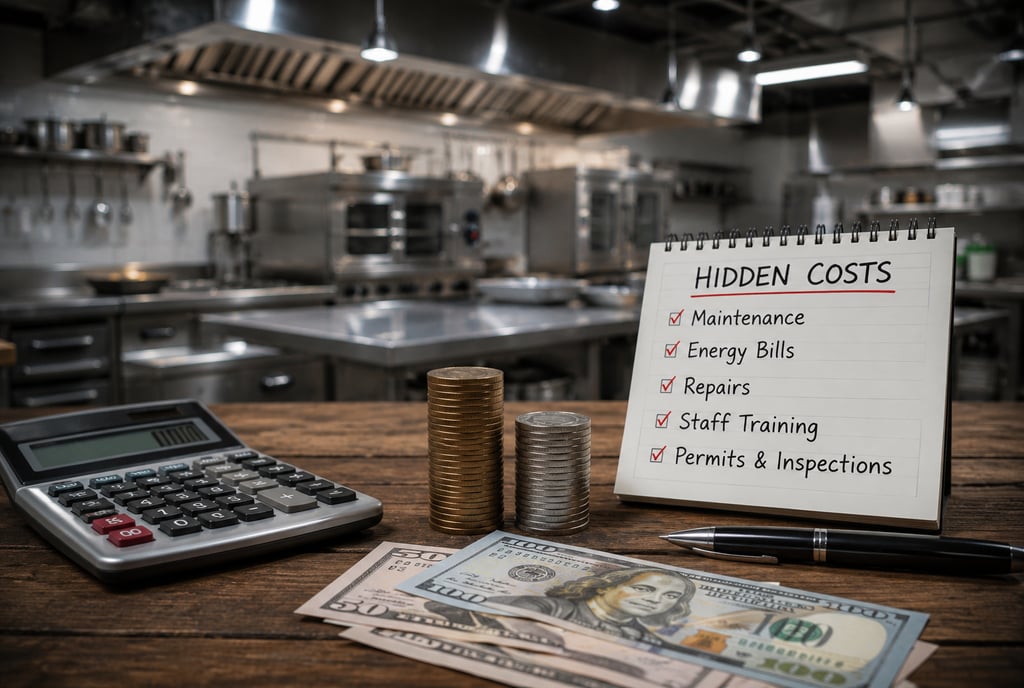

Introduction
Opening a restaurant is an exciting milestone, but it's also one of the most significant investments an entrepreneur can make. Whether you're launching a cozy café, a cloud kitchen, a fine dining establishment, a bakery, or a hotel kitchen, one question comes up almost immediately:
"What is the biggest expense when building a commercial kitchen?"
Most people assume it's the cooking equipment. Others think it's the exhaust hood or the walk-in cold room. Some focus only on stainless steel fabrication or refrigeration.
The reality is more complex.
A commercial kitchen is a carefully coordinated system where every element—equipment, ventilation, refrigeration, utilities, fabrication, workflow, and installation—must work together. Focusing on only one cost category can lead to expensive surprises later.
At Zahra Kitchen Equipment Manufacturing LLC, we've seen projects where clients saved money through careful planning, and others where rushed decisions resulted in costly redesigns. The difference was almost always the same: projects that started with a professional layout and a complete understanding of all cost components were far more successful.
This guide explains where your budget really goes, highlights the most significant cost drivers, and shows you how thoughtful planning can help you avoid unnecessary expenses while building a kitchen that performs efficiently for years to come.
Why Every Restaurant Owner Asks This Question
The commercial kitchen is the heart of any food business. It influences:
Food quality
Service speed
Staff productivity
Hygiene
Energy efficiency
Maintenance costs
Customer satisfaction
Long-term profitability
A poorly planned kitchen doesn't just increase construction costs—it can continue costing money every day through wasted labor, inefficient workflows, higher utility bills, and frequent maintenance.
Understanding the biggest expenses before construction begins helps you make informed decisions and prioritize investments that deliver long-term value.
The Biggest Misconception About Commercial Kitchen Costs
Many first-time restaurant owners believe that buying cooking equipment is the largest expense.
While cooking equipment is certainly a major investment, a complete commercial kitchen also includes:
Professional design and layout planning
Stainless steel fabrication
Ventilation systems
Fresh air systems
Refrigeration
Plumbing
Gas piping
Electrical infrastructure
Fire safety integration
Cold rooms
Installation and commissioning
Project coordination
When all of these elements are considered together, the total project cost is distributed across multiple systems—not just the appliances.
Understanding the True Cost of a Commercial Kitchen
A commercial kitchen should be viewed as a complete production facility rather than a collection of individual machines.
Your investment generally falls into the following categories:
CategoryTypical Share of Overall Budget*
Cooking Equipment 20–30%
Refrigeration10–15%
Stainless Steel Fabrication15–25%
Ventilation & Exhaust Systems10–20%
Installation & Utilities10–20%
Electrical & Plumbing5–10%
Fire Safety Systems3–8%
Drawings, Design & Project Coordination2–8%
Testing & Commissioning1–3%
*Percentages vary depending on the size and complexity of the project.
This table illustrates why it's important to plan the entire project rather than focusing solely on equipment prices.
So, What Is Usually the Biggest Expense?
There isn't a single answer that fits every project, but the largest investments typically fall into one of these areas:
1. Cooking Equipment
The cooking line often represents the largest individual equipment investment because it includes items such as:
Gas ranges
Griddles
Charbroilers
Fryers
Tilting pans
Salamanders
Combination ovens
Steamers
Rice cookers
Woks
Pasta cookers
The exact cost depends on the menu, production volume, and required capacity.
2. Stainless Steel Fabrication
Many restaurant owners underestimate the amount of custom stainless steel work required.
Typical fabricated items include:
Preparation tables
Wall shelves
Floor shelves
Sink units
Pot wash stations
Exhaust hoods
Cabinets
Trolleys
Storage racks
Pass counters
Because these components are custom-built to fit the kitchen layout, they represent a significant portion of the project budget.
3. Ventilation & Exhaust Systems
A professional ventilation system is essential for removing heat, smoke, grease, and cooking odors.
This typically includes:
Exhaust hoods
Ductwork
Exhaust fans
Fresh air systems
Grease filters
Fire-rated components
Control panels
A properly designed system helps maintain a safer, more comfortable working environment and supports efficient kitchen operations.
4. Refrigeration
Temperature-controlled storage is critical for food safety and inventory management.
Common refrigeration equipment includes:
Undercounter refrigerators
Upright refrigerators
Display refrigerators
Freezers
Blast chillers
Walk-in cold rooms
Reach-in chillers
The required capacity depends on your menu, storage needs, and daily production volume.
Why Cheap Quotes Can Become Expensive
One of the most common mistakes is choosing the lowest quotation without understanding what is included.
Lower-priced proposals may omit items such as:
Installation
Utility coordination
Exhaust balancing
Commissioning
Custom fabrication
After-sales support
Warranty coverage
Site modifications
A complete project proposal provides a clearer picture of the total investment and helps reduce unexpected costs later.
The Value of Planning Before Purchasing
The most successful commercial kitchens don't begin with equipment shopping—they begin with planning.
A professional layout helps determine:
The right equipment sizes
Efficient workflow
Utility requirements
Ventilation needs
Stainless steel fabrication details
Future expansion possibilities
Planning first often prevents expensive changes during construction.
How Zahra Kitchen Equipment Manufacturing LLC Supports Your Project
At Zahra Kitchen Equipment Manufacturing LLC, we believe every successful commercial kitchen starts with careful planning.
Our team works with restaurant owners, cafés, hotels, cloud kitchens, bakeries, catering companies, supermarkets, and food production facilities to provide:
Commercial kitchen consultation
2D and 3D kitchen layouts
Workflow optimization
Equipment selection guidance
Food-grade SS304 stainless steel fabrication
Exhaust hood and ventilation system design
Refrigeration and cold room solutions
Installation and commissioning
Technical support and after-sales service
By managing these stages under one roof, we help clients create kitchens that are efficient, practical, and ready for long-term operation.
Contact Zahra Kitchen Equipments Manufacturing (L.L.C.)
📞 Sales: +971 568 406 235 | +971 567 247 777 | +971 568 406 265
📧 Email: info@zahrakitchenequipments.com
🌐 Website: www.zahrakitchenequipments.com
Why Every Commercial Restaurant Needs a Grease Trap | Complete Guide
Discover why grease traps are mandatory for commercial restaurants, how they protect your plumbing, reduce maintenance costs, ensure municipality compliance, and improve kitchen hygiene


Contact
Ready to build your kitchen? Let's talk.
PHONE AND EMAIL
conect with us
info@zahrakitchenequipments.com
+97156 724 7777
© 2025. All rights reserved.
+97156 840 6235
sales@zahrakitchenequipments.com