Why Every Commercial Restaurant Needs a Grease Trap | Complete Guide
Discover why grease traps are mandatory for commercial restaurants, how they protect your plumbing, reduce maintenance costs, ensure municipality compliance, and improve kitchen hygiene.
Why Every Commercial Restaurant Needs a Grease Trap
Every successful commercial restaurant depends on efficient kitchen operations. While chefs, commercial cooking equipment, and food preparation often receive the most attention, one essential component works quietly behind the scenes to keep the entire kitchen functioning smoothly—the grease trap.
Many restaurant owners mistakenly believe that a grease trap is simply another expense required by local authorities. In reality, it is one of the most valuable investments for protecting your plumbing system, maintaining hygiene, preventing costly repairs, and ensuring compliance with government regulations.
Whether you are opening a new restaurant, expanding a cloud kitchen, operating a hotel kitchen, or managing a food court, understanding the importance of grease traps is critical for long-term business success.
What Is a Grease Trap?
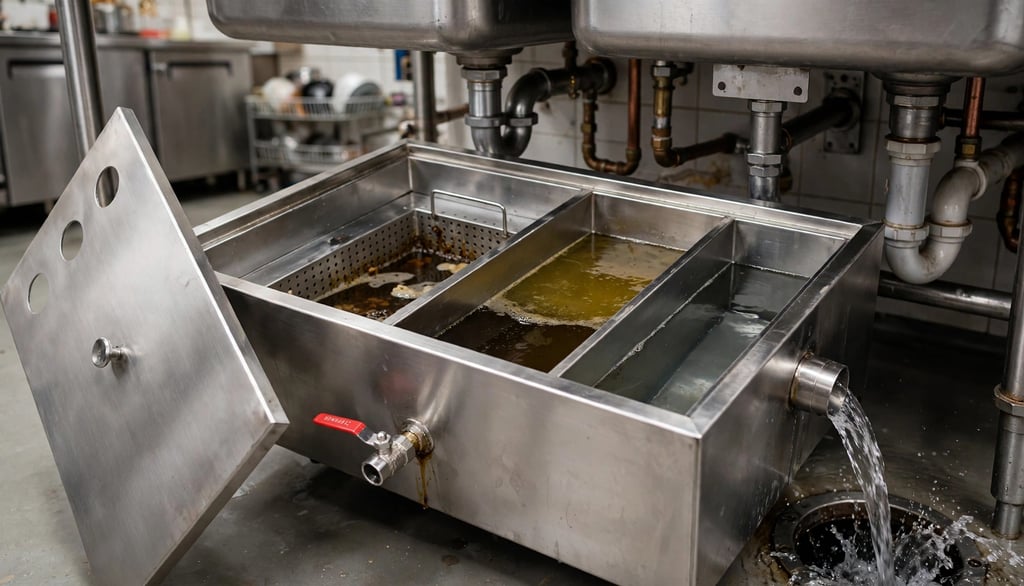
A grease trap, also known as a grease interceptor, is a specialized plumbing device designed to capture Fats, Oils, and Grease (FOG) before they enter the drainage system.
During cooking, food preparation, and dishwashing, wastewater carries grease and oil into sink drains. As this wastewater cools inside drainage pipes, grease solidifies and sticks to the pipe walls.
Over time, these deposits reduce water flow, cause unpleasant odors, and eventually create complete drain blockages.
A properly sized grease trap separates grease from wastewater, allowing only relatively clean water to enter the sewer system.
Why Are Grease Traps So Important?
Many restaurant owners only realize the importance of a grease trap after facing expensive plumbing repairs or unexpected business interruptions.
Here are the major reasons every commercial kitchen should install one.
1. Prevents Drain Blockages
Grease is one of the leading causes of clogged drainage systems.
Unlike water, grease does not simply wash away. It cools, hardens, and adheres to the inside of pipes. Over weeks and months, the buildup becomes thick enough to restrict or completely block wastewater flow.
Blocked drains can result in:
Flooded kitchen floors
Overflowing sinks
Interrupted food preparation
Emergency plumbing services
Temporary kitchen closure
A grease trap captures grease before it reaches the drainage network, preventing these problems from occurring.
2. Reduces Expensive Plumbing Repairs
Commercial kitchen plumbing systems are costly to repair.
Blocked underground pipelines may require:
High-pressure drain cleaning
Pipe replacement
Excavation work
Emergency maintenance
Business downtime
The cost of installing and maintaining a grease trap is significantly lower than repairing damaged drainage systems.
Think of a grease trap as preventive maintenance that protects your investment.
3. Protects Commercial Kitchen Equipment
Overflowing drainage systems can affect nearby equipment including:
Commercial dishwashers
Stainless steel work tables
Food preparation areas
Floor drains
Kitchen flooring
Preventing grease accumulation reduces the likelihood of water damage and extends the life of expensive kitchen equipment.
4. Maintains Proper Kitchen Hygiene
A clean kitchen is essential for food safety.
Blocked drains often produce:
Bad odors
Standing wastewater
Slippery floors
Bacterial growth
Mold formation
These conditions increase health risks and negatively impact employee productivity.
A grease trap helps maintain a clean, sanitary working environment by preventing grease-related drainage problems.
5. Prevents Pest Infestation
Grease buildup attracts unwanted pests including:
Cockroaches
Flies
Rodents
Drain insects
These pests create serious food safety concerns and can damage your restaurant's reputation.
Routine grease trap maintenance helps eliminate one of the primary causes of pest attraction.
Why Is a Grease Trap Mandatory?
Most municipalities require commercial food establishments to install grease traps before granting operational approval.
Restaurants generate significantly more grease than residential kitchens.
Without grease interception, municipal sewer systems become blocked, resulting in:
Sewer overflows
Environmental pollution
Expensive infrastructure repairs
Public health hazards
For this reason, local authorities typically require grease management systems in:
Restaurants
Cafés
Hotels
Bakeries
Food courts
Catering kitchens
Fast-food outlets
Cloud kitchens
Industrial kitchens
Hospital kitchens
School and university cafeterias
Always consult your local municipality or regulatory authority for the specific requirements applicable to your location.
Environmental Benefits of Grease Traps
Environmental sustainability has become a major responsibility for food businesses.
Grease discharged into public drainage systems contributes to:
Water pollution
Sewer contamination
Damage to wastewater treatment facilities
Increased maintenance costs for public infrastructure
Installing a grease trap reduces environmental impact by preventing fats, oils, and grease from entering the sewer network.
Many businesses now include proper grease management as part of their environmental and sustainability initiatives.
Financial Benefits for Restaurant Owners
Some restaurant owners view grease traps only as a compliance requirement.
However, they provide significant financial advantages over the long term.
Lower Maintenance Costs
Regular grease separation reduces emergency plumbing expenses.
Longer Plumbing Life
Clean pipelines last much longer than grease-filled systems.
Reduced Business Downtime
Blocked drainage can force temporary kitchen shutdowns.
Grease traps help maintain uninterrupted operations.
Lower Cleaning Costs
A properly functioning grease trap minimizes deep-cleaning requirements for drainage systems.
Improved Equipment Protection
Reduced water overflow protects commercial kitchen equipment and flooring.
What Happens Without a Grease Trap?
Operating a commercial kitchen without an effective grease management system can lead to serious consequences.
Potential risks include:
Frequent drain blockages
Sewage backups
Strong unpleasant odors
Increased plumbing bills
Health inspection failures
Municipality penalties
Customer complaints
Pest infestations
Business interruption
Damage to your restaurant's reputation
The cost of prevention is far lower than the cost of correcting these issues.
Choosing the Right Grease Trap
Not all grease traps are the same.
The correct size depends on several factors:
Number of kitchen sinks
Daily meals prepared
Water flow rate
Kitchen equipment
Peak operating hours
Local regulations
Available installation space
Selecting an undersized grease trap can reduce efficiency, while an oversized unit may be unnecessarily expensive.
Professional assessment ensures the system is properly designed for your kitchen.
Stainless Steel vs. Plastic Grease Traps
Grease traps are commonly manufactured from stainless steel or durable polymers.
Stainless Steel Grease Traps
Advantages include:
Excellent durability
Corrosion resistance
Hygienic surface
Long service life
Professional appearance
Suitable for heavy commercial use
Plastic Grease Traps
Advantages include:
Lightweight
Lower initial cost
Easy installation
Suitable for smaller kitchens
For high-volume commercial kitchens, stainless steel grease traps are generally preferred due to their strength and durability.
How Often Should a Grease Trap Be Cleaned?
Cleaning frequency depends on:
Restaurant size
Daily customer volume
Menu type
Cooking methods
Grease production
High-volume restaurants may require more frequent cleaning than smaller establishments.
As a best practice, grease should never be allowed to accumulate to the point where it reduces the trap's effectiveness.
Routine inspection and scheduled maintenance are essential.
Best Practices for Grease Trap Maintenance
To maximize performance:
Never pour used cooking oil directly into sinks.
Scrape food waste into bins before washing dishes.
Train staff on proper grease disposal procedures.
Inspect the grease trap regularly.
Follow a scheduled cleaning and maintenance program.
Use qualified professionals for servicing when required.
Consistent maintenance improves efficiency and extends the life of the system.
Why Professional Installation Matters
Proper installation is just as important as selecting the right grease trap.
A professionally installed system ensures:
Correct sizing
Proper drainage flow
Compliance with applicable regulations
Easy maintenance access
Reliable long-term performance
Incorrect installation can reduce effectiveness and lead to ongoing operational issues.
Frequently Asked Questions (FAQs)
Do all restaurants need a grease trap?
In many jurisdictions, commercial food establishments are required to install grease traps to help protect public sewer systems. Requirements vary by location, so always check with your local authority.
Can a grease trap eliminate all plumbing problems?
No. While it significantly reduces grease-related blockages, regular plumbing maintenance and proper kitchen practices are still important.
How long does a grease trap last?
A quality stainless steel grease trap can provide many years of reliable service when properly maintained.
Is cleaning really necessary?
Yes. Even the best grease trap loses effectiveness if grease and solids are allowed to accumulate. Regular cleaning is essential for performance and compliance.
Can grease traps help reduce operating costs?
Yes. By preventing emergency plumbing repairs, minimizing downtime, and protecting equipment, grease traps can lower long-term operating expenses.
Final Thoughts
A grease trap is far more than a regulatory requirement—it is a vital part of every efficient commercial kitchen. It protects your plumbing, reduces maintenance costs, supports hygiene, minimizes environmental impact, and helps keep your restaurant operating smoothly.
For restaurant owners, hotels, cafés, bakeries, cloud kitchens, and catering businesses, investing in a properly designed and well-maintained grease trap is a smart decision that pays dividends in reliability, compliance, and long-term cost savings.
By choosing the right grease management solution and maintaining it correctly, you can protect your business, your staff, your customers, and the public infrastructure your restaurant depends on.
Discover why grease traps are mandatory for commercial restaurants, how they protect your plumbing, reduce maintenance costs, ensure municipality compliance, and improve kitchen hygiene.
How Zahra Kitchen Equipment Manufacturing LLC Supports Your Project
At Zahra Kitchen Equipment Manufacturing LLC, we believe every successful commercial kitchen starts with careful planning.
Our team works with restaurant owners, cafés, hotels, cloud kitchens, bakeries, catering companies, supermarkets, and food production facilities to provide:
Commercial kitchen consultation
2D and 3D kitchen layouts
Workflow optimization
Equipment selection guidance
Food-grade SS304 stainless steel fabrication
Exhaust hood and ventilation system design
Refrigeration and cold room solutions
Installation and commissioning
Technical support and after-sales service
By managing these stages under one roof, we help clients create kitchens that are efficient, practical, and ready for long-term operation.
Contact Zahra Kitchen Equipments Manufacturing (L.L.C.)
📞 Sales: +971 568 406 235 | +971 567 247 777 | +971 568 406 265
📧 Email: info@zahrakitchenequipments.com
🌐 Website: www.zahrakitchenequipments.com
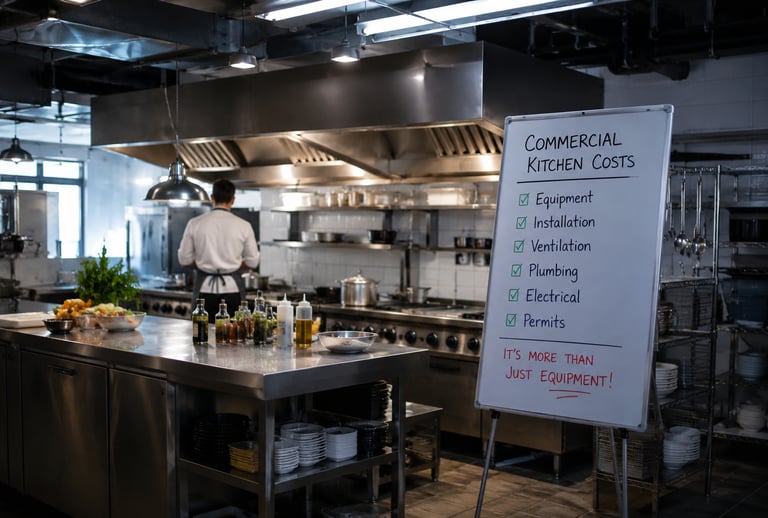
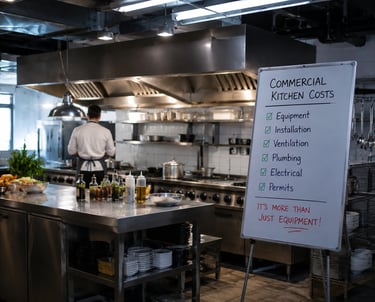
What Is the Biggest Expense When Building a Commercial Kitchen? (2026 Complete Cost Breakdown Guide)
Discover Where Your Money Really Goes Before You Build Your Restaurant
Contact
Ready to build your kitchen? Let's talk.
PHONE AND EMAIL
conect with us
info@zahrakitchenequipments.com
+97156 724 7777
© 2025. All rights reserved.
+97156 840 6235
sales@zahrakitchenequipments.com