10 Essential Tips for Designing an Efficient Commercial Kitchen
Explore 10 essential commercial kitchen design tips for restaurants, hotels, cafés, and catering businesses. Create a safe, efficient, and productive kitchen with expert guidance.

10 Essential Tips for Designing an Efficient Commercial Kitchen
The Complete Guide to Building a Safe, Productive & Profitable Commercial Kitchen
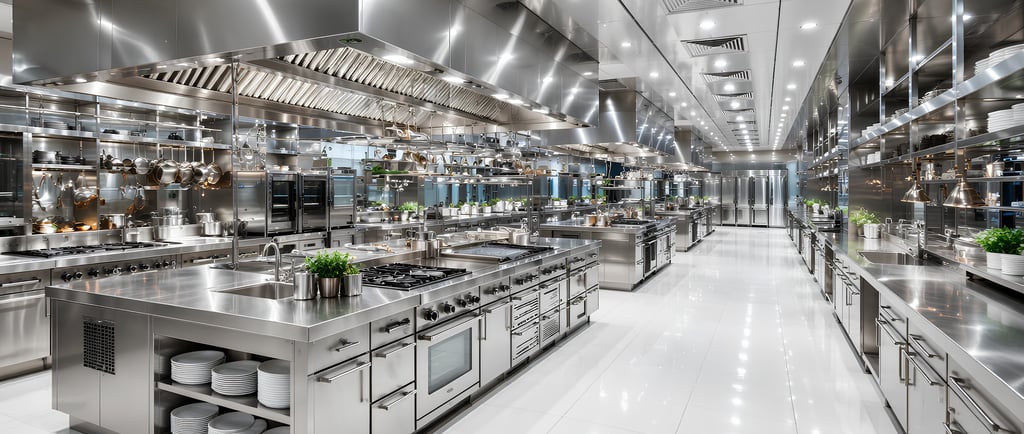
Designing a commercial kitchen is far more than arranging equipment or selecting appliances. A well-designed kitchen is the foundation of every successful restaurant, hotel, café, bakery, catering company, and food production facility. It directly influences workflow efficiency, food safety, employee productivity, operating costs, and customer satisfaction.
Whether you're launching a new restaurant or upgrading an existing kitchen, thoughtful planning can save thousands of dollars in future maintenance and operational expenses.
In this comprehensive guide, we'll explore the 10 essential commercial kitchen design tips that industry professionals rely on to create safe, efficient, and high-performing kitchens.
Why Commercial Kitchen Design Matters
A professionally designed kitchen helps businesses:
Improve staff productivity
Reduce food preparation time
Enhance food safety compliance
Lower energy consumption
Minimize workplace accidents
Extend equipment lifespan
Increase profitability
Create a smoother workflow
Investing in the right kitchen design today will pay dividends for years to come.
1. Start with an Efficient Kitchen Layout
The layout is the backbone of any commercial kitchen. Every piece of equipment should be positioned to support a logical workflow from food receiving to preparation, cooking, plating, and cleaning.
A well-planned layout minimizes unnecessary movement, reduces staff fatigue, and speeds up service during busy hours.
Popular commercial kitchen layouts include:
Assembly Line Layout
Island Layout
Zone-Style Kitchen
Galley Kitchen
Open Kitchen Concept
Choose the layout that best matches your menu, available space, and service style.
Pro Tip: Keep raw food preparation areas separate from cooked food stations to prevent cross-contamination.
2. Invest in High-Quality Stainless Steel Equipment
Commercial kitchens operate in demanding environments, making durable materials essential.
Food-grade stainless steel remains the industry standard because it offers:
Superior hygiene
Excellent corrosion resistance
Easy cleaning
Long service life
Professional appearance
Heat resistance
For most restaurants and hotels, 304 stainless steel is ideal. Businesses operating in coastal or highly corrosive environments may benefit from 316 stainless steel for enhanced durability.
3. Plan Proper Ventilation and Exhaust Systems
An efficient ventilation system is essential for maintaining a comfortable, safe, and compliant kitchen environment.
A quality exhaust hood helps remove:
Smoke
Heat
Grease particles
Steam
Cooking odors
Benefits include:
Improved air quality
Lower kitchen temperatures
Better employee comfort
Reduced fire hazards
Cleaner working environment
Always select an exhaust hood sized appropriately for your cooking equipment.
4. Prioritize Food Safety and Hygiene
Food safety should be incorporated into every aspect of your kitchen design.
Essential hygiene features include:
Stainless steel work surfaces
Handwashing stations
Proper drainage systems
Non-slip flooring
Easy-to-clean wall finishes
Separate preparation areas for raw and cooked foods
A hygienic kitchen protects your customers, staff, and business reputation.
5. Optimize Workflow for Maximum Productivity
An efficient workflow reduces unnecessary movement and allows kitchen staff to work faster and more comfortably.
Arrange equipment in the natural sequence of food preparation:
Receiving → Storage → Preparation → Cooking → Plating → Serving → Dishwashing
This streamlined approach reduces bottlenecks and improves service speed during peak hours.
6. Choose Energy-Efficient Equipment
Energy costs are one of the largest ongoing expenses for commercial kitchens.
Modern energy-efficient equipment can significantly reduce utility bills while delivering superior performance.
Look for equipment that offers:
High-efficiency refrigeration
LED lighting
Variable-speed ventilation
Energy-saving cooking systems
Smart temperature controls
Although energy-efficient equipment may require a higher initial investment, the long-term savings often outweigh the upfront cost.
7. Maximize Storage Space
Proper storage keeps your kitchen organized and reduces wasted time searching for ingredients and tools.
Consider including:
Stainless steel shelving
Wall-mounted racks
Dry storage areas
Cold storage rooms
Refrigerated counters
Under-counter refrigeration
Mobile storage units
Efficient storage also improves food rotation and inventory management.
8. Select Equipment That Matches Your Menu
Avoid purchasing equipment simply because it's popular or heavily advertised.
Instead, choose equipment based on your menu and production volume.
For example:
A steakhouse may prioritize:
Charbroilers
BBQ grills
Refrigerated meat stations
A bakery may require:
Dough mixers
Proofing cabinets
Deck ovens
A hotel buffet kitchen may benefit from:
Bain-maries
Heated serving counters
Hot holding cabinets
Selecting the right equipment improves efficiency and reduces unnecessary costs.
9. Design for Easy Cleaning and Maintenance
Cleaning should never be an afterthought.
Design your kitchen so every surface and piece of equipment is easily accessible.
Features that simplify maintenance include:
Rounded corners
Stainless steel finishes
Floor drains
Removable grease filters
Accessible plumbing
Equipment with service clearance
A kitchen that's easy to clean supports better hygiene and extends equipment life.
10. Plan for Future Growth
Many businesses outgrow their kitchens within just a few years.
When designing your commercial kitchen, leave room for:
Additional cooking equipment
Larger refrigeration systems
Expanded storage
New menu items
Increased staff capacity
Planning ahead reduces renovation costs and keeps your business flexible as demand grows.
Common Commercial Kitchen Design Mistakes to Avoid
Avoid these costly mistakes:
Poor ventilation design
Insufficient refrigeration capacity
Inadequate electrical planning
Limited storage space
Narrow walkways
Poor lighting
Choosing low-quality equipment
Ignoring food safety regulations
Overcrowding the workspace
Failing to plan for future expansion
Learning from these common mistakes can save significant time and money.
Essential Equipment for Every Commercial Kitchen
A well-equipped commercial kitchen typically includes:
Exhaust Hood System
Stainless Steel Work Tables
Refrigerated Counters
Commercial Refrigerators
Freezers
Preparation Tables
Hand Wash Stations
Stainless Steel Sinks
Cooking Ranges
BBQ Grills
Ovens
Shelving Systems
Cold Rooms
Storage Cabinets
Grease Traps
Floor Drains
Ventilation Systems
Dishwashing Equipment
Choose equipment that aligns with your operational needs and anticipated growth.
Frequently Asked Questions
What is the most important part of commercial kitchen design?
An efficient workflow is the most critical factor. A well-designed layout improves productivity, reduces staff fatigue, and enhances food safety.
Why is stainless steel preferred for commercial kitchens?
Stainless steel is hygienic, durable, corrosion-resistant, easy to clean, and compliant with food safety standards, making it the preferred material for commercial food environments.
How can I reduce operating costs in my commercial kitchen?
Use energy-efficient equipment, optimize your workflow, install proper ventilation, and choose durable, low-maintenance materials to lower long-term operating expenses.
What layout works best for a restaurant kitchen?
The best layout depends on your menu, service style, and available space. Popular options include assembly line, island, galley, zone-style, and open kitchen layouts.
Final Thoughts
A thoughtfully designed commercial kitchen is an investment in your business's future. By focusing on efficient layouts, food-grade stainless steel equipment, proper ventilation, energy efficiency, hygiene, and scalable planning, you can create a workspace that enhances productivity, supports food safety, and delivers exceptional performance for years to come.
Whether you're opening a new restaurant, upgrading a hotel kitchen, or expanding a catering operation, these ten design principles will help you build a commercial kitchen that operates smoothly and efficiently.
Why Choose Zahra Kitchen Equipments Manufacturing (L.L.C)?
At Zahra Kitchen Equipments Manufacturing (L.L.C), we specialize in designing, manufacturing, and installing premium commercial kitchen solutions tailored to the unique needs of restaurants, hotels, cafés, bakeries, cloud kitchens, hospitals, catering companies, and industrial food processing facilities.
Our comprehensive product range includes:
Commercial Kitchen Design & Planning
Stainless Steel Fabrication (304 & 316 Grade)
Exhaust Hood & Ventilation Systems
BBQ Stations & Charbroilers
Refrigerated Counters & Cold Rooms
Stainless Steel Work Tables & Sinks
Storage Cabinets & Shelving
Custom Kitchen Equipment
Complete Turnkey Commercial Kitchen Projects
With a commitment to precision engineering, food-grade materials, and superior craftsmanship, we help businesses create kitchens that are efficient, hygienic, durable, and built to perform.
Ready to build your ideal commercial kitchen? Contact Zahra Kitchen Equipments Manufacturing (L.L.C) today for a free consultation and customized quotation. Let us bring your vision to life with solutions designed for long-term success.
Whether you're launching a new commercial kitchen or upgrading an existing facility, our team delivers durable, high-quality solutions engineered for performance.
📞 Sales: +971 568 406 235 | +971 567 247 777 | +971 568 406 265
📧 Email: info@zahrakitchenequipments.com
🌐 Website: www.zahrakitchenequipments.com
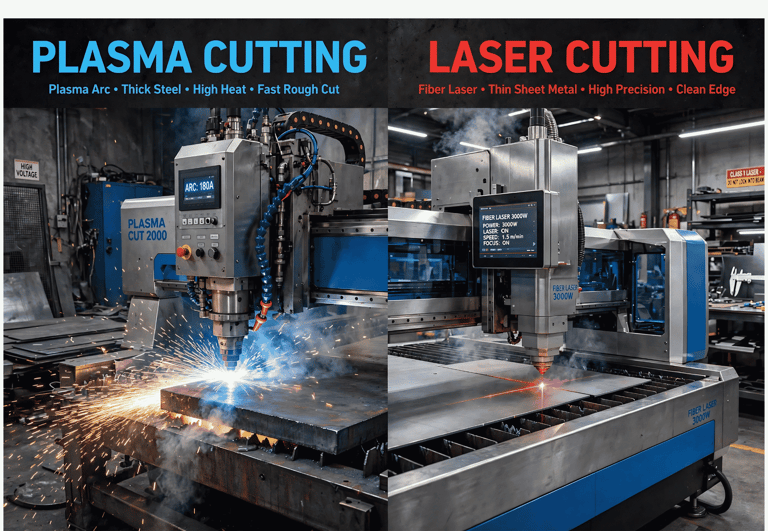
Laser Cutting vs. Plasma Cutting: Which Is Best for Your Stainless Steel Project?
Compare laser cutting vs plasma cutting for stainless steel fabrication. Learn the differences in precision, edge quality, speed, cost, material thickness, and choose the best sheet metal cutting technique for your project.

Contact
Ready to build your kitchen? Let's talk.
PHONE AND EMAIL
conect with us
info@zahrakitchenequipments.com
+97156 724 7777
© 2025. All rights reserved.
+97156 840 6235
sales@zahrakitchenequipments.com