How Much Does It Cost to Set Up a Commercial Kitchen in Dubai in 2026? Complete Cost Guide Part-4
Planning a restaurant in Dubai? Discover the complete commercial kitchen setup cost in 2026, including equipment, ventilation, approvals, fabrication, installation, and expert budgeting tips. Part-4


How Much Does It Cost to Set Up a Commercial Kitchen in Dubai in 2026?
Part 4 – Frequently Asked Questions, Expert Advice & Complete Restaurant Startup Checklist
Frequently Asked Questions (FAQ)
1. How much does it cost to set up a commercial kitchen in Dubai?
The cost varies depending on the type and size of your business. As a general planning estimate:
Coffee Shop: AED 80,000–180,000
Café: AED120,000–250,000
Fast Food Restaurant: AED 180,000–400,000
Casual Dining: AED 300,000–700,000
Fine Dining: AED 600,000–1,500,000+
Hotel Kitchen: AED 1,000,000–5,000,000+
The final investment depends on equipment selection, custom fabrication, ventilation systems, refrigeration, and installation requirements.
2. What is the biggest expense when building a commercial kitchen?
Most people think cooking equipment is the largest expense, but a complete commercial kitchen also includes:
Stainless steel fabrication
Ventilation and exhaust systems
Walk-in cold rooms
Refrigeration
Plumbing
Electrical work
Fire safety systems
Installation
Testing and commissioning
A complete project budget should consider all these elements.
3. How long does it take to build a commercial kitchen?
A typical project may take between 6 and 12 weeks, depending on project complexity, equipment availability, approvals, and site conditions.
4. Can I buy equipment first and design the kitchen later?
This is not recommended.
Professional kitchen layouts should always be completed before purchasing equipment. This helps avoid space conflicts, inefficient workflows, and expensive modifications.
5. Which stainless steel is recommended?
Food-grade SS304 stainless steel is widely used for commercial kitchen fabrication because it offers excellent corrosion resistance, durability, and hygiene.
6. Should I choose gas or electric cooking equipment?
The choice depends on:
Cuisine
Production volume
Utility availability
Energy costs
Kitchen design
Each option has advantages, and the right choice depends on your operational needs.
7. Why is ventilation so important?
Proper ventilation helps:
Remove smoke and heat
Improve indoor air quality
Increase staff comfort
Support equipment performance
Reduce grease accumulation
A balanced system includes exhaust and make-up air working together.
8. Do I need a walk-in cold room?
Small cafés may not require one, but restaurants, hotels, catering kitchens, and high-volume operations often benefit from dedicated cold storage for food safety and inventory management.
9. How can I reduce commercial kitchen costs without affecting quality?
Consider these approaches:
Finalize your menu before buying equipment.
Design the workflow before fabrication.
Purchase equipment that matches your production volume.
Invest in durable, food-grade materials.
Choose a single experienced contractor for planning, fabrication, installation, and commissioning.
10. Why should I choose one turnkey supplier?
Working with one experienced company can improve coordination between design, fabrication, installation, and project management, reducing delays and communication issues.
Restaurant Startup Checklist
Before purchasing equipment, make sure you've completed these steps:
✔ Define your restaurant concept
✔ Finalize your menu
✔ Select your location
✔ Estimate customer capacity
✔ Plan your kitchen workflow
✔ Prepare a realistic budget
✔ Identify utility requirements
✔ Confirm equipment needs
✔ Plan refrigeration and storage
✔ Design the ventilation system
✔ Prepare plumbing and drainage
✔ Review fire safety requirements
✔ Complete kitchen layouts
✔ Arrange fabrication
✔ Schedule installation
✔ Test equipment before opening
✔ Train kitchen staff
✔ Plan preventive maintenance
Budget Planning Tips
Tip 1 – Don't Focus Only on the Purchase Price
Choosing the cheapest equipment may lead to higher maintenance costs and shorter service life.
Tip 2 – Think About Future Growth
If you expect your business to expand, plan for equipment and utilities that can support increased production.
Tip 3 – Invest in Workflow
An efficient kitchen layout can improve productivity, reduce staff movement, and support consistent food quality.
Tip 4 – Choose Reliable Materials
Food-grade stainless steel and professionally manufactured equipment can offer better durability and hygiene over the long term.
Tip 5 – Plan Before You Build
The most successful restaurant projects begin with detailed planning rather than equipment shopping.
Why Restaurant Owners Choose Zahra Kitchen Equipment Manufacturing LLC
Opening a restaurant is a significant investment, and every decision made during planning can affect your future operations.
At Zahra Kitchen Equipment Manufacturing LLC, we aim to simplify the process by providing comprehensive commercial kitchen solutions under one roof.
Our services include:
Commercial Kitchen Consultation
We help clients define project requirements based on their concept, menu, and production goals.
Kitchen Workflow Design
We create layouts that support efficient movement of staff, food, and equipment.
2D & 3D Kitchen Drawings
Detailed layouts allow clients to visualize the kitchen before fabrication begins.
Food-Grade SS304 Stainless Steel Fabrication
We manufacture custom commercial kitchen equipment tailored to project requirements.
Exhaust & Ventilation Systems
Professionally designed systems help maintain a comfortable, productive kitchen environment.
Refrigeration & Cold Rooms
We provide storage solutions suited to restaurants, hotels, bakeries, catering kitchens, and food production facilities.
Installation & Commissioning
Our team installs and tests equipment to support a smooth transition into operation.
After-Sales Support
We remain available for maintenance, technical guidance, and ongoing customer support after project completion.
Why Early Planning Matters
One of the most common reasons restaurant projects exceed budget is that planning begins after equipment purchases.
By investing in proper planning from the outset, restaurant owners can:
Reduce redesign costs
Improve operational efficiency
Support food safety
Enhance staff productivity
Minimize delays
Make informed purchasing decisions
Conclusion
A commercial kitchen is more than a collection of appliances—it is the operational heart of your restaurant.
From the first concept to the day your kitchen begins serving customers, every decision influences efficiency, food quality, safety, and long-term operating costs.
Thoughtful planning, appropriate equipment selection, and experienced project management can make the difference between a smooth opening and costly delays.
If you're planning a restaurant, café, hotel kitchen, cloud kitchen, bakery, catering facility, supermarket, or food production unit in Dubai or anywhere in the UAE, working with an experienced commercial kitchen partner can help simplify the journey.
Zahra Kitchen Equipment Manufacturing LLC is committed to supporting clients through every stage of the project—from consultation, kitchen layouts, and custom SS304 fabrication to ventilation, refrigeration, installation, testing, and ongoing support.
Your kitchen isn't just a project. It's the foundation of your business—and we're here to help you build it with confidence.
How does your kitchen stack up?
Contact Zahra Kitchen Equipments Manufacturing (L.L.C.)
📞 Sales: +971 568 406 235 | +971 567 247 777 | +971 568 406 265
📧 Email: info@zahrakitchenequipments.com
🌐 Website: www.zahrakitchenequipments.com
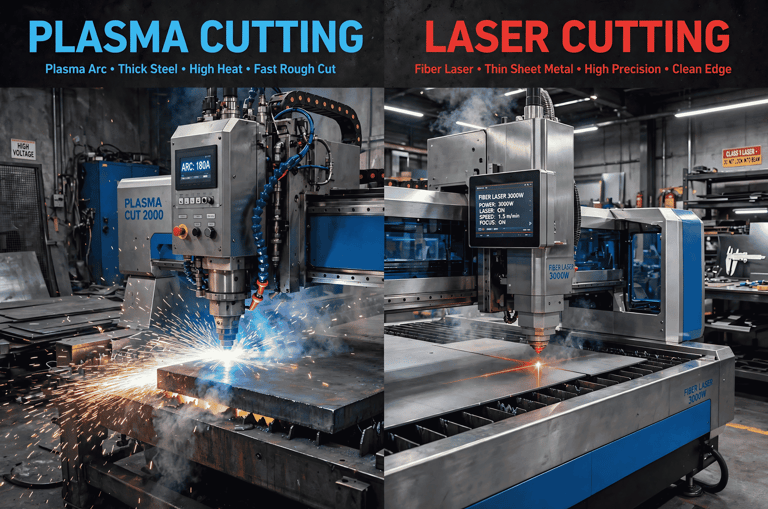
Laser Cutting vs. Plasma Cutting: Which Is Best for Your Stainless Steel Project?
Compare laser cutting vs plasma cutting for stainless steel fabrication. Learn the differences in precision, edge quality, speed, cost, material thickness, and choose the best sheet metal cutting technique for your project.

Contact
Ready to build your kitchen? Let's talk.
PHONE AND EMAIL
conect with us
info@zahrakitchenequipments.com
+97156 724 7777
© 2025. All rights reserved.
+97156 840 6235
sales@zahrakitchenequipments.com